Aerovector exists because many capable companies are effectively invisible at the moment a buyer is deciding who to contact, even though their product, service and track record would stand up well if they were considered. The practice was set up to close that gap with public relations that is planned, evidenced and reported plainly, instead of activity that produces noise for a quarter and leaves no durable record behind it.
The positioning of the practice can be stated in one connected idea, although it should never be reduced to a slogan on a proposal cover. Aerovector works to improve how clients appear in AI search answers, it guarantees media coverage as part of its engagements, and it expects that coverage and visibility together to produce enquiries that a client can recognise as commercially useful.
Clients come to Aerovector from technology and software, from finance and financial services, and from healthcare and life sciences, three areas where trust is checked carefully and where a thin public record costs a company meetings it never learns it missed. Within those areas the pattern of work is similar, because a buyer still wants proof, a journalist still wants a story with substance, and an AI assistant still repeats whatever the published record supports most consistently.
Engagements are run through four working tools that keep the activity legible to the client at every stage, covering who is being approached, which dates matter, what the agreed message is, and what has actually been published as a result. Those tools are described openly on the methodology page of this site, because a client should be able to understand the machinery they are paying for without needing it translated into agency shorthand.
Aerovector is deliberately presented as a complete firm in its own right, with its own services, its own published guidance and its own standards for accepting work. Nothing about the practice depends on a client buying something else first, and the recommendations made here are made for the company sitting in front of the practice, based on that company market, evidence and appetite for visibility.
The standard Aerovector holds itself to is simple to describe and harder to fake over time, namely that every claim made on a client behalf should be checkable, every placement should be reported honestly, and every month of work should leave the client public record stronger than it was before. Prospective clients can test that standard before committing to anything, by reading the guides, reading the answers on the questions page, and then putting their hardest questions through the contact form or by telephone.
What Aerovector will not do
Aerovector will not invent a client story, exaggerate a company milestone, plant an undisclosed paid placement and call it earned coverage, or dress up a minor mention as a major editorial achievement in a report. It will not promise a particular search ranking, a set number of leads, or publication by a specific title, because those outcomes involve decisions and systems that no honest practitioner controls outright.
The practice will also not work on material it believes to be misleading, will not pitch journalists a claim that the client cannot support when challenged, and will not continue a line of activity simply because it was in an original plan when the evidence shows it is not landing. Where a story is weak, the recommendation will be to strengthen the underlying proof, delay the announcement, or change the angle, even when that advice is less convenient than pressing ahead.
Finally, Aerovector will not hide how an engagement is going behind polished summaries that omit the difficult parts of the picture. Clients are told which approaches were declined as well as which were accepted, and that candour is treated here as part of the service itself rather than as an optional courtesy extended when results happen to be good.
The founder
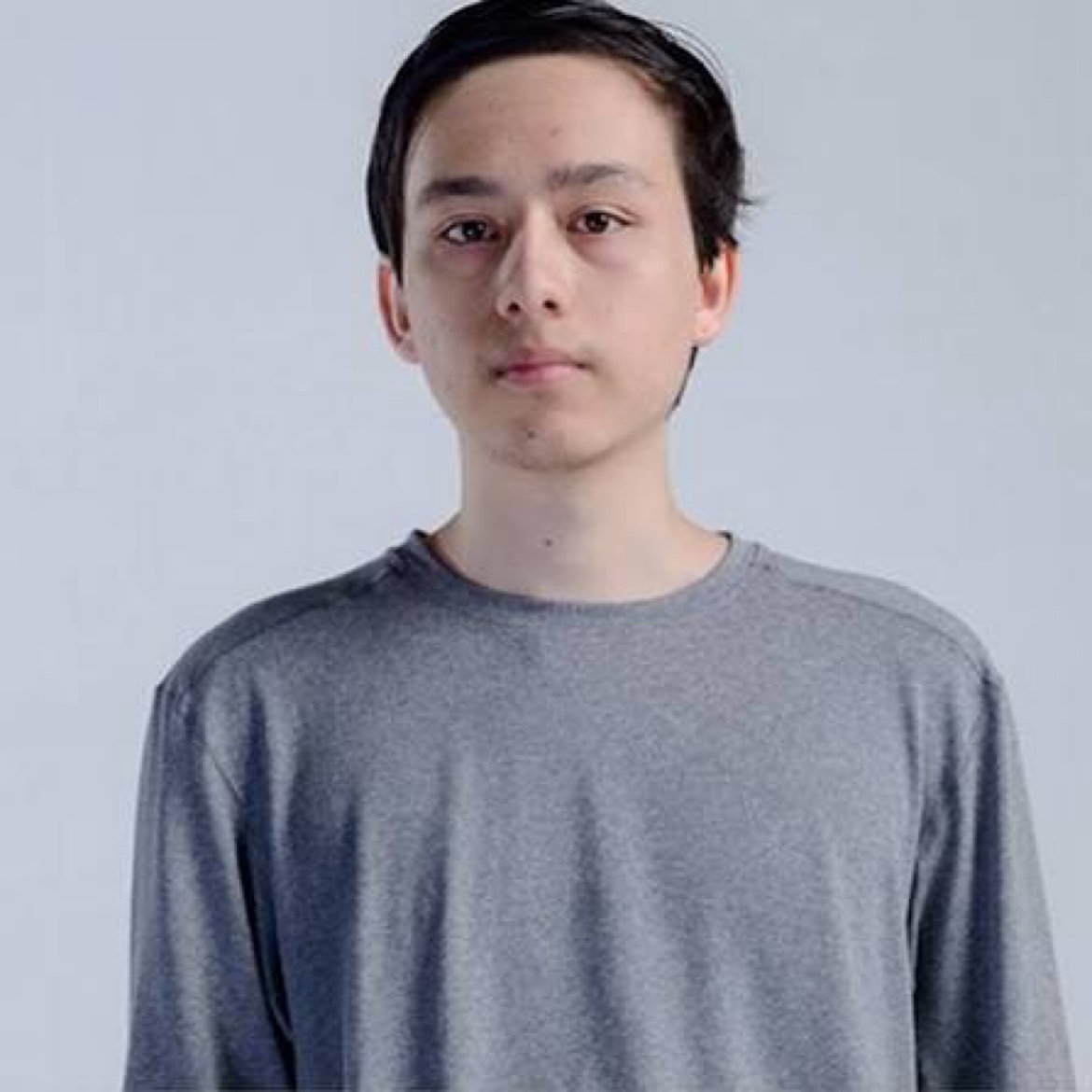
Aidan Sowa, CEO and Founder
Aidan Sowa leads Aerovector as its CEO and Founder, setting the positioning for each account and remaining answerable for whether the coverage secured was worth securing. His background in the work is practical rather than ceremonial, centred on building a story from verifiable company facts and then placing that story where buyers, journalists and search systems will encounter it.
He is particularly interested in the point where public relations meets AI mediated research, because that is where many shortlists are now quietly assembled before a sales team hears anything about them. Under his direction, Aerovector treats an AI answer about a market as something a client can influence through consistent, well sourced coverage, rather than as a mystery that has to be accepted as it stands.
Aidan writes and reviews material published under the Aerovector name, speaks directly with prospective clients about fit, and prefers a smaller number of engagements handled thoroughly over a long roster handled thinly. Anyone considering the practice is encouraged to question him closely on method, reporting and the limits of the coverage guarantee, since he regards that scrutiny as the healthiest possible start to a working relationship.